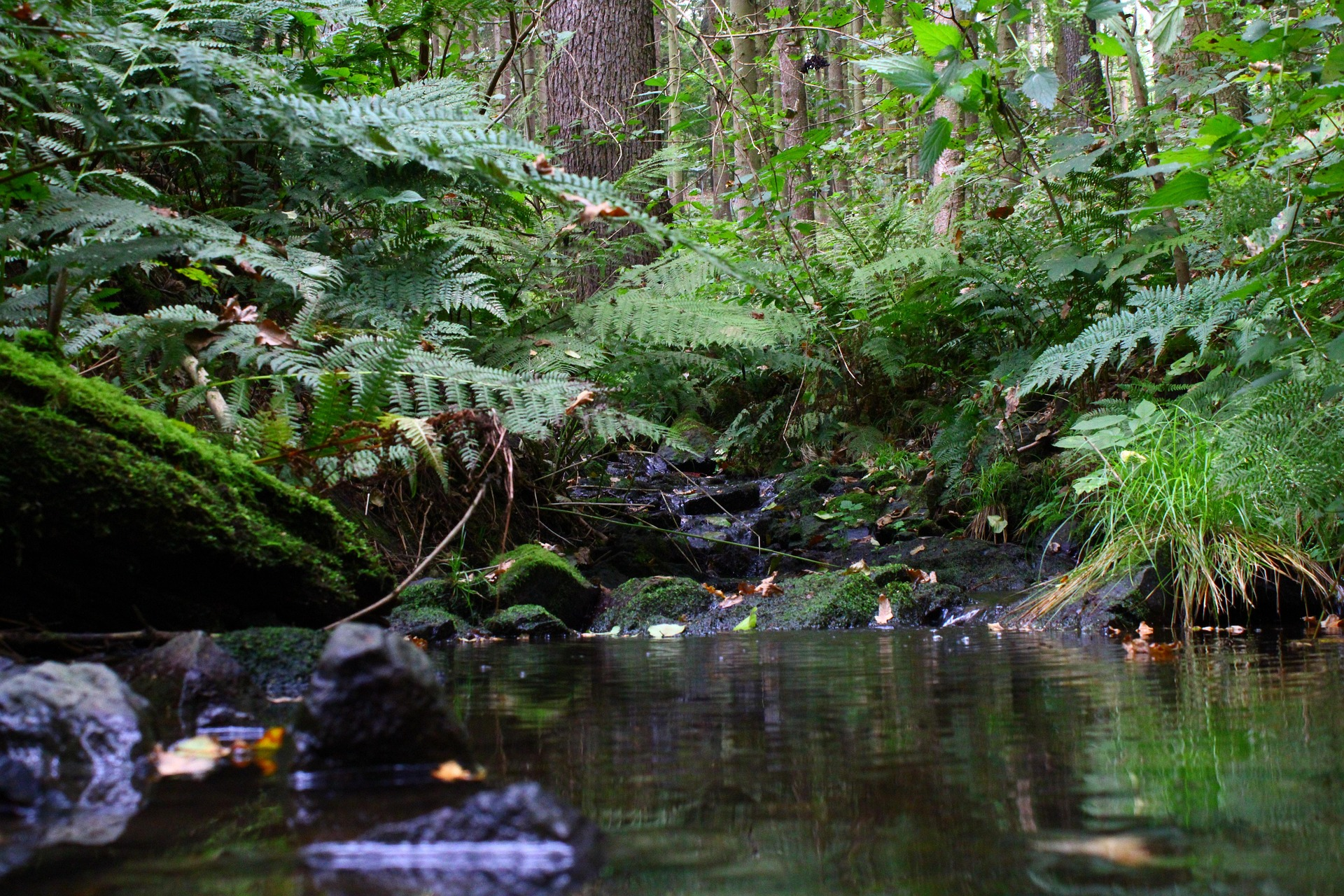
Living in Deadwood means living among the trees. For most of us, that’s the point. The moss-covered trunks, the clean water running off the slopes, the sound of wind in the canopy—these are not just scenery. They are home to multiple species of fauna and flora, each with their own niche contributing to the miraculous web of life that constitutes a forest. They are our neighbors, our peace, and our purpose.
Protecting What We Love: Forests, Wildlife, and the Power of Quiet Resistance
That’s why, in a time of increasing deregulation, rapid logging, and environmental rollback, we’re choosing to act. Not with loud slogans or roadblocks (though we respect those who do)—but with letters, research, and presence. Because we do care—and if we didn’t, we wouldn’t be out here at the end of the road, surrounded by some of the most beautiful and threatened forests in the Pacific Northwest.
What’s Happening in Our Forests?
Oregon’s forests are being reshaped—often rapidly and without enough public awareness. Douglas fir, a beautiful native tree, has been reduced in many places to a cash crop. Large swaths of forest are clearcut, replanted in monoculture stands, and then sprayed with pesticides and herbicides to eliminate “competition”—including native hardwoods like alder and maple.
In some cases, landowners are required by law to spray. Forest ecosystems that once sustained diverse species are now fragmented, chemically treated, and deeply altered.
At the same time, changes to the Northwest Forest Plan—a foundational framework for protecting old-growth and sensitive habitats—threaten to strip away even more protections. The proposed amendments, especially Alternatives B and D, open the door to increased logging in mature forests, including those critical to biodiversity, climate resilience, and cultural identity.
What we can do
We write letters.
Not just one or two, but many. To the Forest Service, Congress, state agencies, and beyond. We weigh in on bills like HR 845 (which would strip endangered species protections from wolves) and policy changes to the Endangered Species Act.
We comment on rule changes and forest plans. We express concern when helicopters spray toxic herbicides over the treetops. We urge agencies to consider long-term ecological health—not just short-term economic gain.
Here’s an excerpt from our group’s letter on the Northwest Forest Plan amendment:
“These forests are not just landscapes to us; they are a part of our lives and a center of our community. We strongly oppose all amendments that would weaken protections for old-growth forests and Late Successional Reserves. Conservation-based forest management can support jobs, recreation, biodiversity, and climate resilience—not just timber profits.”
Individuals are encouraged to submit personal comments:
“All over the globe it has been shown that the only way to protect natural resources is to bring communities together to preserve them. So little is left to us—does it make sense for us to join in the destruction?”
We research and inform.
From tracking forest legislation like HR 471 to gathering data on herbicide impacts, we believe knowledge is power. We’ve partnered with groups like Beyond Toxics, shared resources on proforestation (the idea of letting forests grow undisturbed), and connected with tribal voices calling for meaningful co-stewardship.
We propose alternatives.
Our group also submitted a restoration project proposal that reflects a different path—one rooted in restoration, biodiversity, and collaborative care. It’s a reminder that we can be for something, not just against destruction.

Comments are closed