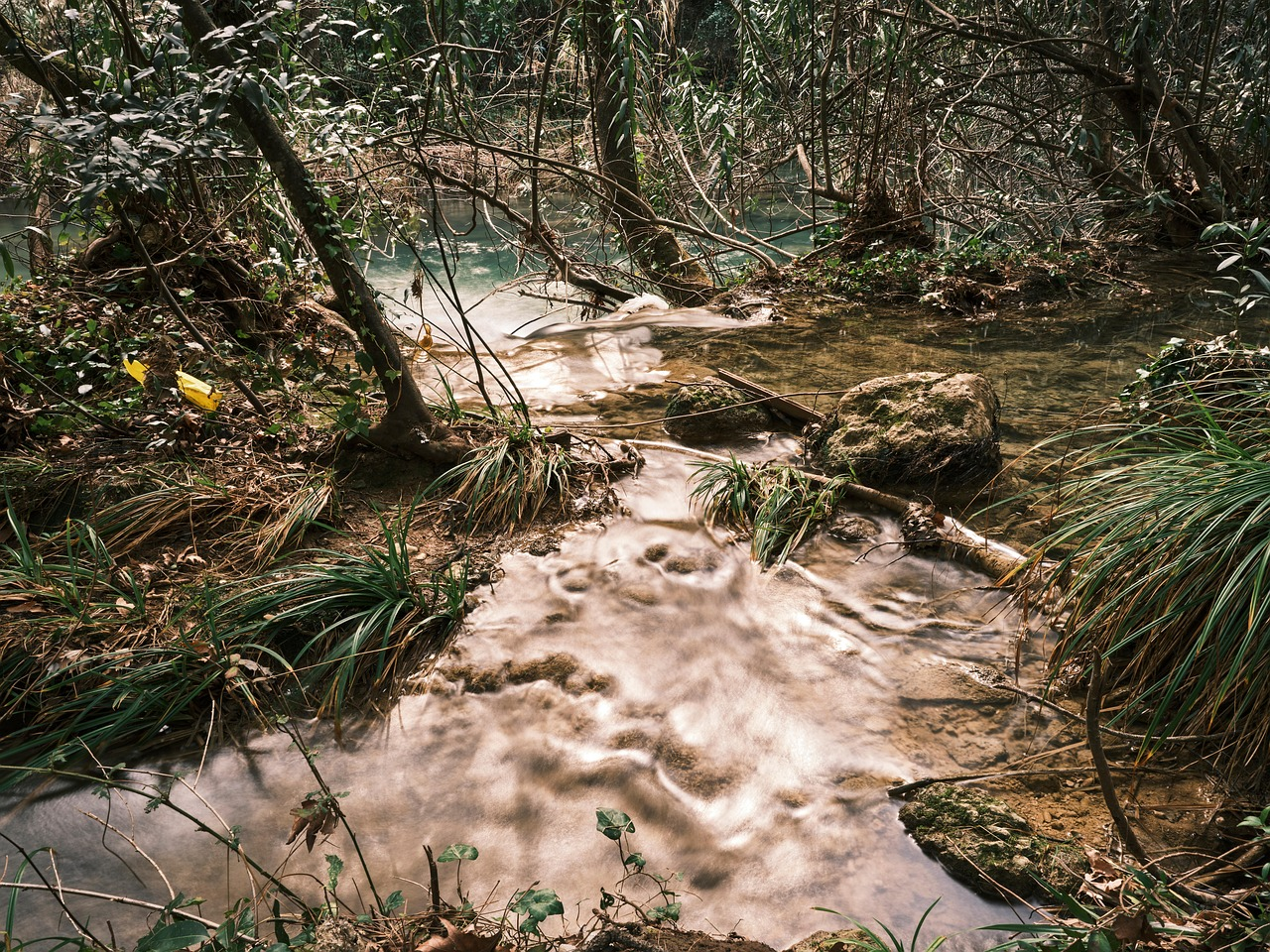
Deadwood neighbors rallied at summer’s end to defend the 2001 Roadless Rule — a united voice for forests, water, and future generations.
Standing Together for Our Forests – A clear community voice, even at the last minute!
Late summer in Deadwood is always crazy full — gardens overflowing with harvest around the corner, visitors landing and staying for weeks, projects on hold till there is time. It was two days before the September 19, 2025 deadline when DCA heard that the Forest Service planned to rescind the National Forest 2001 Roadless Rule. The deadline for public comment was just around the corner. There did not seem to be enough time but at the last minute we pulled it together.
The 2001 Roadless Rule limits road building and large-scale logging on 58.5 million acres of national forest lands, protecting clean drinking water, wildlife habitat, and recreation areas while still allowing safety projects like wildfire protection. The current administration has proposed rescinding this rule, a move that would open these protected lands to new roads and industrial logging.
We shared their thoughts — some spoke about the noise and air pollution new forest roads bring, others about the risks to watersheds and salmon runs, and still others about the danger of short-term profit overshadowing long-term stewardship. Each voice was distinct, but together they carried a common thread: deep care for the land that sustains us.
What emerged was not just a letter, but the voice of a community — clear, respectful, and rooted in both experience and hope. Even with little time and many other demands, we managed to speak as one in defense of forests, water, and the generations yet to come.
This is the comment DCA posted September 19th 2025:
Public Comment on Proposed Rescission of the 2001 Roadless Rule
Deadwood Community Action, of Deadwood, Oregon, urges the Forest Service not to rescind the 2001 Roadless Rule.
The successful Roadless Rule protects 44.7 million acres of National Forest lands across 36 states and Puerto Rico. These areas safeguard clean drinking water for millions, provide essential wildlife habitat, store carbon critical to climate resilience, and sustain rural recreation economies.
We are deeply concerned that rescinding the Rule will open the door to destructive road construction and unsustainable logging. Once roads are built, they are rarely undone — they invite long-term traffic, pollution, and resource extraction. Road building also destabilizes steep slopes, creating potential for landslides that threaten watersheds, fisheries, and downstream communities.
The Chugach National Forest in Alaska — the second-largest in the nation, spanning nearly 7 million acres of glaciers, wetlands, and old-growth coastal temperate rainforest — remains largely protected under the 2001 Roadless Rule and the 2020 Chugach Forest Plan. If these protections are rescinded, vast areas that support wild salmon runs, brown bear habitat, and subsistence hunting and fishing traditions would be exposed to industrial road building and logging. This is exactly the kind of permanent loss the Roadless Rule was designed to prevent. Here in Oregon, we already see how new forest roads bring noise, air pollution, and long-term habitat disruption.
The Forest Service claims that rescission will improve wildfire management, control forest disease, and expand domestic timber supply. Yet peer-reviewed science shows that new road building often increases ignition risks, fragments landscapes, and drives logging that benefits corporations more than communities. The Roadless Rule already allows exceptions for fuel reduction and safety projects where they are truly needed. Repeal is therefore unnecessary and harmful.
When preparing the Draft Environmental Impact Statement, we urge the Forest Service to use the best available climate, hydrology, and biodiversity science — not outdated assumptions. The 2001 Roadless Rule was adopted after one of the largest public engagement efforts in agency history. Any attempt to repeal it will face both scientific and legal challenge, as environmental organizations and communities nationwide stand united to defend it.
We ask the Forest Service to uphold the Roadless Rule and protect these irreplaceable public lands for present and future generations.
With respect for your service,
Deadwood Community Action – Environmental Protection Group
Deadwood, Oregon

Comments are closed